Soy, Rapeseed, Coconut and Beeswax: A Beginner's Guide to Candle Wax
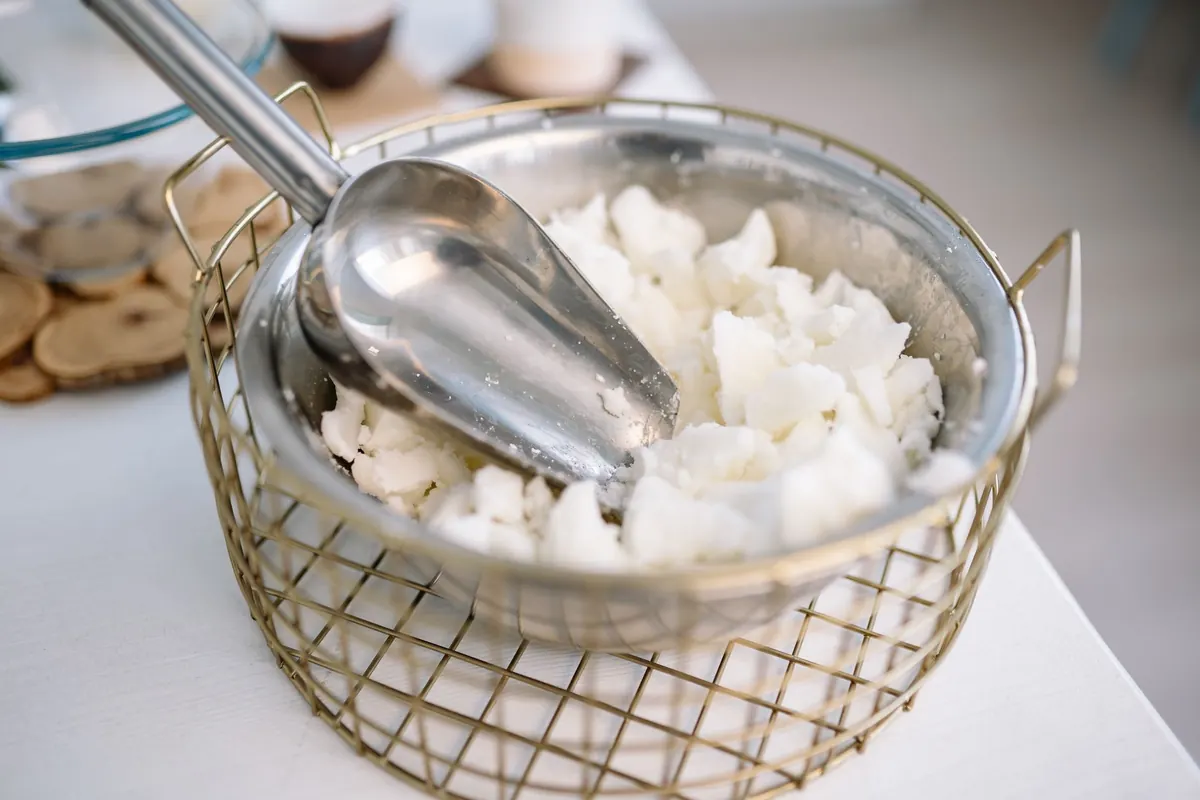
Wax is the part of a candle that does most of the work: it holds the fragrance, feeds the wick and sets the look of the finished thing. Choose badly and you will spend weeks chasing a wick that will not stay lit, or pouring at a temperature that leaves sinkholes in the top. The four waxes most beginners meet are soy, rapeseed, coconut and beeswax, and each behaves differently in the pot. Here is what they are actually like to work with.
Start With What You Want to Make
Before comparing waxes, decide what shape the candle takes. Container candles need a soft wax that grips the glass; pillars and tapers need a hard one that stands on its own. Most beginners do better starting with containers, because there is no mould to release and no risk of a pillar slumping in a warm room.
You also need to know roughly how much fragrance you want to add, and how much you are willing to spend per candle. Every wax below can be scented, but some hold fragrance far better than others, and some need longer to cure before the smell develops properly.
One caveat before the temperatures: these are sensible starting points, not rules. Blends vary between suppliers, so the maker's own guidance always wins. If your supplier says pour at 58°C, pour at 58°C.
Soy Wax: The Forgiving One to Learn On
Soy is the default starting wax for good reason. It is widely stocked, generally the cheapest of the four, and it re-melts happily if you make a mess, so mistakes cost you a little time rather than a whole project.
Typical method for a container soy: melt to about 80°C, stir in fragrance at 70–75°C, then pour at 55–60°C. Pour too hot and you get sinkholes and a weak scent; pour too cold and the top sets lumpy and uneven.
Scent throw is reliable rather than spectacular. Cold throw — what you smell before lighting — improves noticeably if you leave the candle to cure for three to seven days, and some fragrances need longer. Expect a smooth, opaque finish in white or cream. Two quirks are worth knowing: frosting, a white crystalline bloom that shows up most on coloured candles, and wet spots, where the wax pulls away from the glass. Warming the container before pouring helps with the second; the first is largely cosmetic.
Soy is soft, so it belongs in containers, or in moulds with a hardening additive. Want pillars? Read on.
Rapeseed Wax: Creamy, Stronger, Slower
Rapeseed is grown in Europe, which appeals to makers who want a shorter supply chain, and it usually arrives as pastilles or flakes. It behaves like a more grown-up soy: harder, creamier and with a stronger throw both hot and cold.
Melt to around 80°C, add fragrance near 70°C, and pour warmer than you would soy — roughly 60–65°C. Poured cool, or left to set in a cold room, rapeseed can crack or develop a rough, cauliflower top. Wrapping the container in a towel while it sets costs nothing and saves a batch.
The finish is a soft off-white with far less frosting than soy, and it grips the glass well. Colours take evenly. The trade-off is curing: give rapeseed a week to a fortnight before judging the throw, and expect to pay noticeably more per kilo than for soy.
Coconut Wax: Beautiful Cold Throw, Sold as a Blend
You will rarely buy pure coconut wax. It is soft and low-melting, so it is almost always blended with soy, rapeseed or a hardener to make it usable. That is not a drawback — the blends are lovely to work with.
Pour temperatures vary with the blend, but 55–65°C is the usual window, so check the supplier's sheet. Coconut blends give a creamy white, slightly glossy finish and the best cold throw of the four: unlit, the candle fills a room in a way soy rarely manages. Hot throw is gentler, so pick a fragrance with good projection.
Because the wax is soft, containers are its natural home. It also melts at a lower temperature, which means it can soften in a warm car or on a sunny windowsill — worth remembering before posting candles to customers. Expect to pay more than soy, and expect it to be less widely stocked, often only from specialist suppliers.
Beeswax: Hard, Natural and the Priciest
Beeswax is the odd one out. It is hard, glossy and smells faintly of honey even before you add fragrance, which is exactly why people love it — and why it can fight any scent you add. Melt it gently, around 70–80°C, and never let it boil; overheating darkens it and dulls the natural aroma.
Pour beeswax warm, roughly 70–75°C, into a warmed mould, and let it cool slowly. Poured cool, it cracks and traps air pockets that show up as pits on the surface. It takes a lower fragrance load than the vegetable waxes — a few per cent rather than the six to ten per cent common with soy and coconut blends — and even then the honey note stays in the foreground.
It burns slowly and cleanly and holds its shape, so it suits pillars, tapers and votives. Many makers blend it, often half and half with coconut, to get the hardness of beeswax with better throw and a friendlier price. On its own it is comfortably the most expensive option, so a beeswax candle costs more per hour of burn than any of the others.
The Four Waxes at a Glance
- Soy — melt 80°C, pour 55–60°C; moderate scent throw; smooth opaque finish; cheapest; containers.
- Rapeseed — melt 80°C, pour 60–65°C; strong throw; creamy finish, little frosting; mid-price; containers.
- Coconut (blended) — pour 55–65°C; best cold throw, softer hot throw; creamy and glossy; pricier, specialist stock; containers.
- Beeswax — melt 70–80°C, pour 70–75°C; subtle honey scent, lower fragrance load; hard and glossy; most expensive; pillars and tapers.
Picking Your First Wax
Buy one wax, not four. A 500g or 1kg bag of a soy container blend, a sample pack of wicks and a single fragrance will let you make half a dozen testers and learn more than any comparison table can teach you. Keep everything else identical — same jar, same wick size, same fragrance load — and change one variable at a time.
Choose soy if you want the cheapest, most forgiving place to start. Choose rapeseed if a stronger throw matters more than price and you are happy to cure for a fortnight. Choose a coconut blend if the unlit smell and a creamy finish come first. Choose beeswax if you want pillars, natural honey notes and are prepared to pay for them, and blend it with coconut if you also want a decent throw.
Finally, keep notes. Write down the wax, pour temperature, fragrance load, wick and cure time for every batch, and give each candle a proper test burn before deciding it works. If you plan to sell, check current labelling and safety requirements for your market — fragrance allergen labelling, for instance — with your local trading standards service or a qualified adviser, as the rules differ by country and change over time.
Photo: Yan Krukau / Pexels