Candle Making Tools You Actually Need (and Five You Can Skip)
Candle making has a shopping problem. Search for a starter kit and you'll be offered a padded case with thirty pieces, half of which you'll use once and lose behind the cupboard. Decent candles come down to the right wax, the right wick, the right amount of fragrance and control over temperature. Everything else either earns its place on the bench or quietly doesn't. Here's what's worth buying, what isn't, and where to find it in the UK.
The four things you can't fake
A bain-marie and a pouring jug
Wax wants gentle, indirect heat. A saucepan with an inch of water in it and a heatproof jug sitting in the water does the job — a bain-marie, in everything but name. A metal jug with a pouring lip is ideal, because it goes straight from the pan to the container without a second vessel to clean.
Never melt wax over a naked flame, never leave it unattended, and keep a pan lid or fire blanket within reach. If wax ever did catch, water would make it dramatically worse. Dedicate an old pan to wax: charity shops and car boot sales are full of suitable ones for very little, and once a pan has held fragrance oil it will smell of it forever.
A digital thermometer
Temperature decides almost everything — whether the wax melts cleanly, whether the fragrance binds properly, whether the pour sets with a smooth top or a crater. Your wax supplier will specify the range for their product; follow theirs rather than a number picked up from a forum. A cheap digital probe thermometer beats a glass one, which is slow to react and tends to end its life on a tiled floor.
Digital kitchen scales
Candle making is a recipe, not a guess. Weigh the wax, then weigh the fragrance as a percentage of that weight, staying within the guidance that comes with the oil rather than trusting your nose. Scales accurate to the gram are plenty, so supermarket kitchen scales are fine.
Small tools that earn their keep
None of these cost much, and each one solves a specific irritation.
- Wick centring bars. Bow-tie shaped holders — or lollipop sticks with a hole in the middle — keep the wick upright and central while the wax sets.
- Pre-tabbed wicks and glue dots. Wicks already attached to their metal tabs save a fiddly step, and a glue dot holds the tab to the base of the jar while you pour. Keep a pair of sharp scissors for trimming the wick to around 5mm before each burn.
- A silicone spatula. For scraping the jug clean and stirring without splashing. Keep it for wax only.
- Isopropyl alcohol. A wipe around the inside of a jar removes the dust and fingerprints that make a finished candle look cloudy. Surgical spirit from the chemist is a fair stand-in.
- A heat gun. Not for melting wax in bulk, but for rescuing tops: sinkholes, uneven surfaces, a wick that has drifted off-centre.
- A notebook. The most underrated tool of the lot. Record wax type, weight, fragrance, temperatures and pour date. Without notes you can't repeat a good candle or work out what went wrong with a bad one.
Five things you can skip for now
- The all-in-one starter kit. Padded cases look reassuring, but you're paying for the case and the filler. Buy the essentials separately and you'll spend less and end up with tools you'd choose again.
- Infrared thermometer guns. They read surface temperature rather than the temperature of the wax as a whole, and shiny or uneven surfaces throw the reading out further. A probe tells you what you actually need to know.
- A commercial wax melter. The large electric pre-melters are built for people pouring dozens of candles a week. A pan and a jug will serve you well for a long time yet.
- Curing cabinets. Candles do want to rest after pouring, but they don't need purpose-built furniture. A cardboard box with the lid on, or a shelf away from radiators and direct sun, does the same job.
- Decorative mould sets. Pillar and votive moulds, release sprays, carving tools — all good fun, all adding variables. Get a jar candle burning evenly first. Container candles teach you wick sizing and pour temperature, and everything else depends on those two things.
Where to buy in the UK
Most everyday tools are ordinary high street purchases. Supermarkets, Argos, Robert Dyas, Lakeland, The Range, Dunelm and B&Q all sell digital scales, pouring jugs, probe thermometers, silicone mats and spatulas. Isopropyl alcohol comes from a chemist, and a homebrew shop is a good source of accurate, inexpensive probe thermometers.
For wax, wicks, fragrance oils and wick stickers, go to a specialist candle-making supplier online; soap-making suppliers often carry overlapping stock. Buy small quantities while you're learning. Wick size depends on the wax, the fragrance load and the diameter of the container, so a mixed sample pack is far more useful than a large bag of one size.
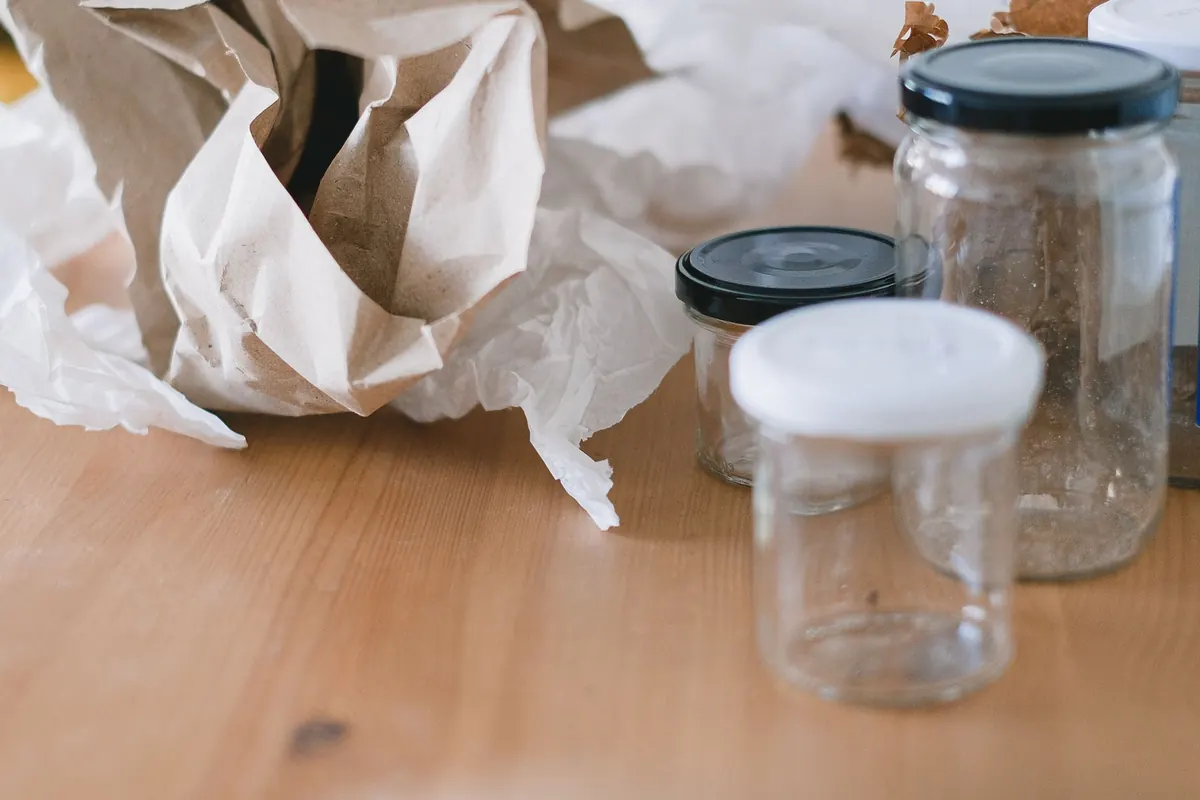
Choose fragrance oils sold specifically for candles, and check that the supplier provides the safety documentation that goes with them. Oils intended for reed diffusers or oil burners aren't formulated for an open flame. For containers, heat-resistant glass is the requirement; clean jam jars and ramekins can work well, but check every one for chips and cracks before you pour.
Your first candle, and what comes next
You can make a very good first candle with a pan, a jug, scales, a thermometer, a wick and a jar. Work in a ventilated kitchen with nothing else competing for the hob, never leave melting wax unattended, and keep a fire blanket or a pan lid within reach.
Then let the problems tell you what to buy. Sinking tops? A heat gun. Pouring twenty jars at a time? A proper melter. A shelf of wax samples you can't tell apart? A notebook with better tabs. Tools should follow the work, not the other way round.
And if you ever plan to sell, there's more to sort out than equipment. Candle labelling and safety requirements apply to anyone placing candles on the market, so check the current rules with your local trading standards team before you take your first order.
Photo: ClickerHappy / Pixabay