Candle Container Testing Checklist: 10 Checks Before You Pour a Batch
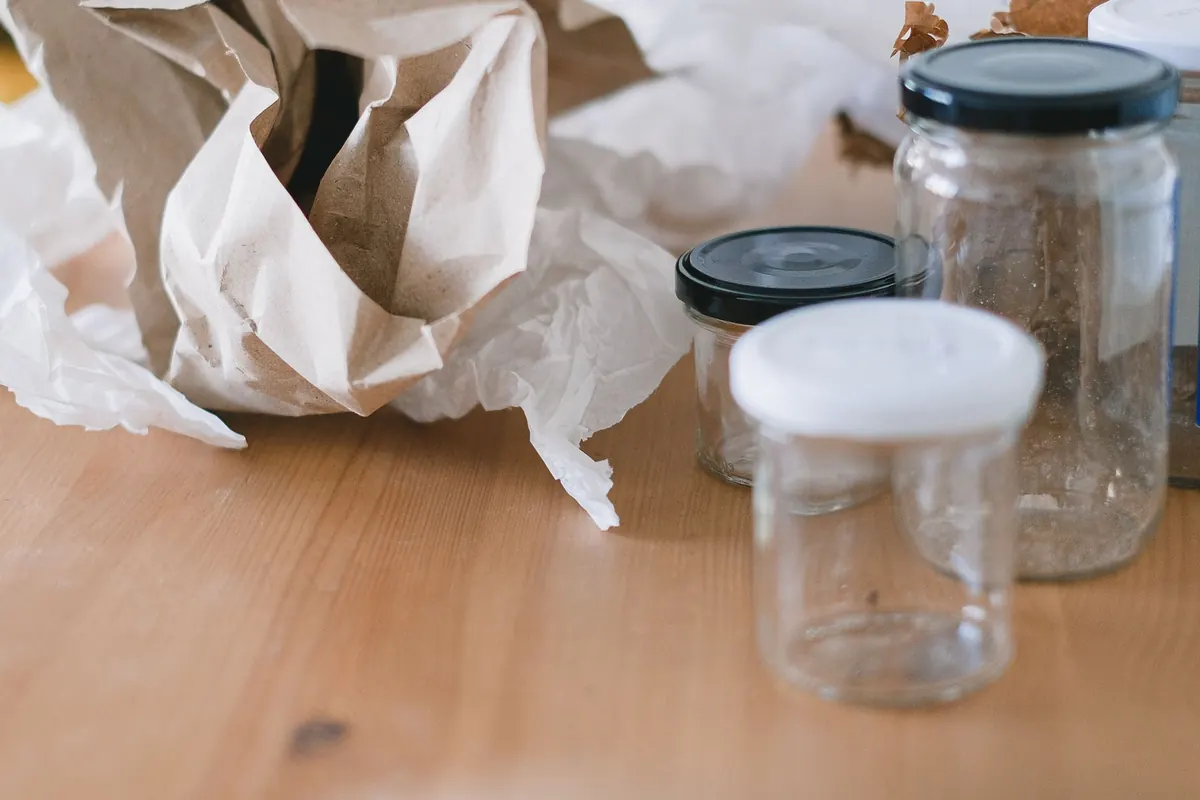
Containers are the one part of candlemaking you can't reformulate. You can tweak a wax blend, swap a wick series, adjust a fragrance load. You can't change the diameter of a glass tumbler once it's sitting on your shelf.
That's why vessels deserve their own testing process, separate from testing a candle recipe. A jar can pass every wick test you throw at it and still let you down: a hairline crack after the third burn, a lid that quietly releases half the scent before the candle is ever lit, a fill line so high the melt pool laps the rim.
Run these ten checks on a small test batch first. A morning's work now saves a whole case of glassware later.
Set up a fair test first
Before the checklist, control the variables. Change one thing at a time, or you'll never know what caused a failure.
- Pour at least three candles per container. Two aren't enough to tell a fluke from a pattern.
- Use the wax, wick series and fragrance load you actually intend to sell — not what you have left over.
- Burn at normal room temperature, away from draughts and radiators.
- Label every tester. Write the date, wax, wick size and fragrance load on masking tape stuck to the base.
- Burn in three to four hour sessions, as a customer would, and let each candle cool completely between burns.
Heat resistance and thermal shock
A container has two jobs: hold hot wax without deforming, and cope with the temperature swings of ordinary life. Glass is where most failures start. Thick, heavy bases with thin walls are prone to thermal shock — the kind of crack that appears an hour into a burn, usually with an audible tick.
Ask your supplier for the temperature rating of anything you buy in bulk. Don't assume the words "candle jar" in a product listing mean it has been tested for a naked flame; a lot of decorative glassware is sold for drinks or storage and never intended for heat.
The hot water test
Put the empty container in a sink and run warm water into it, then gradually hotter, then cold. Sudden changes expose weak glass. Discard anything that cracks, crazes or chimes differently afterwards.
Tins behave differently. Aluminium conducts heat quickly, so the outside can become uncomfortable long before the wax is used up. Check the surface with an infrared thermometer at the end of a four-hour burn. If it's too hot to hold for a second or two, it's too hot for a coffee table.
Ceramic and concrete need their own checks: a heat-resistant glaze, a flat unglazed base with a felt pad, and no absorbent inner surface that will drink fragrance and wax. Whichever material you choose, set the container on a worktop and press the rim. A vessel with a bowed base will wobble as the wax melts.
Wick fit: diameter isn't the whole story
Wick sizing depends on the melt pool diameter, the wax, the fragrance load and any dye. A 70mm jar with soy and 8% fragrance may want a different wick from the same jar with a paraffin blend at 6%. Measure the internal diameter at its widest point — usually just below the rim, not at the base.
Then test at the target. First burn two hours, second three, third four. You're looking for a full melt pool within roughly an hour per 25mm of diameter, no more than about 10–12mm deep, with no tunnelling, no wax left clinging above the melt pool by the third burn, and no soot on the glass. The flame should stay steady and the wick shouldn't curl into the wax or drown.
If a wick was fine on the first burn and drowning by the third, the container is probably too wide for that wick series. Go up a size before you blame the wax.
Lids, seals and storage
A lid isn't decoration. It holds fragrance in, keeps dust out and slows the oxidation of the wax surface. Test it properly: cure one batch with the lid on for 48 hours, another with the lid off for the same period, then compare cold scent throw with the lids removed. If the sealed candle smells noticeably stronger, the lid is doing its job.
A glass lid with a silicone gasket seals better than a wooden lid with a cork or a simple slip lid. Wood can absorb fragrance and warp. Check that the lid sits flat without rocking, and that it doesn't touch the wick when closed — a lid that knocks the wick off-centre is a fault waiting to happen.
For storage, leave a lidded tester in a warm room for a week. Look for condensation inside the jar, a ring of oil sitting on top of the wax, or fragrance bleeding into the lid liner.
Filling lines and headspace
A fill line is a safety feature, not a style choice. Leave enough headspace that the melt pool never reaches the rim and the flame never sits against glass above the wax line. Around 10–15mm is a common starting point, but a vessel with a shoulder or a narrowing neck needs more.
Record the fill weight, not just the level. Weigh the empty container, weigh it filled, and write the difference on your spec sheet. That number is your standard for the whole batch. Then test the worst case: fill to your line, burn for four hours and see where the melt pool sits. If it's within a few millimetres of the rim, lower the line.
The ten-point checklist
- Temperature rating confirmed with the supplier for glass, tin or ceramic.
- No cracks, chips, bubbles or bowed bases; the vessel sits flat.
- Survives a gradual hot-to-cold water test without cracking.
- Outer surface stays comfortable to touch after a four-hour burn.
- Wick centred to within a millimetre or two, with the tab sitting flat.
- Full melt pool reached without tunnelling by the third burn.
- No soot on the glass, no smoking, no drowning wick.
- Lid seals, sits flat and never touches the wick when closed.
- Fill line leaves safe headspace at the hottest point of the burn.
- Label and warning sticker adhere well and survive a warm room.
When to walk away from a container
Some vessels simply aren't worth the trouble. If a container fails two checks on this list, retire it rather than trying to wick around the problem. There is always another jar.
For the ones that pass, write a one-page spec card: supplier, product code, internal diameter, fill weight, wick size, wax, fragrance load, cure time and lid type. Ten minutes of writing saves a full batch later, and it means anyone helping you can pour to the same standard.
Retest whenever you change wax, wick series, fragrance supplier or pour temperature. The container hasn't changed — but everything around it has.
Photo: SHVETS production / Pexels