Tin, Glass or Ceramic: Choosing Candle Containers That Sell in the UK
Choosing a candle container often feels like a design decision. In practice it decides your margins, your postage bill, your breakage rate, and whether anyone picks your candle up from a market table in the first place. Tins, glass and ceramic each solve a different problem, and the right answer usually depends on where you sell and how you post.
Start with the journey, not the shelf
Follow a finished candle from your kitchen table to a customer's front door. It gets boxed, stacked, tipped into a van, sorted, and dropped on a doorstep. Each moment punishes a different material. Glass cracks at the rim. Tins dent, and a dented rim means the lid never sits flush again. Ceramic usually survives the trip intact, but you pay for that strength twice — once when you buy the vessel, and again at the post office counter.
So before you fall for a shape or a glaze, think about three numbers: what the container costs landed at your door, what a filled candle weighs once boxed, and how many will arrive broken. Those three numbers will tell you more than any photograph of a styled shelf.
What each material really costs per candle
Tins
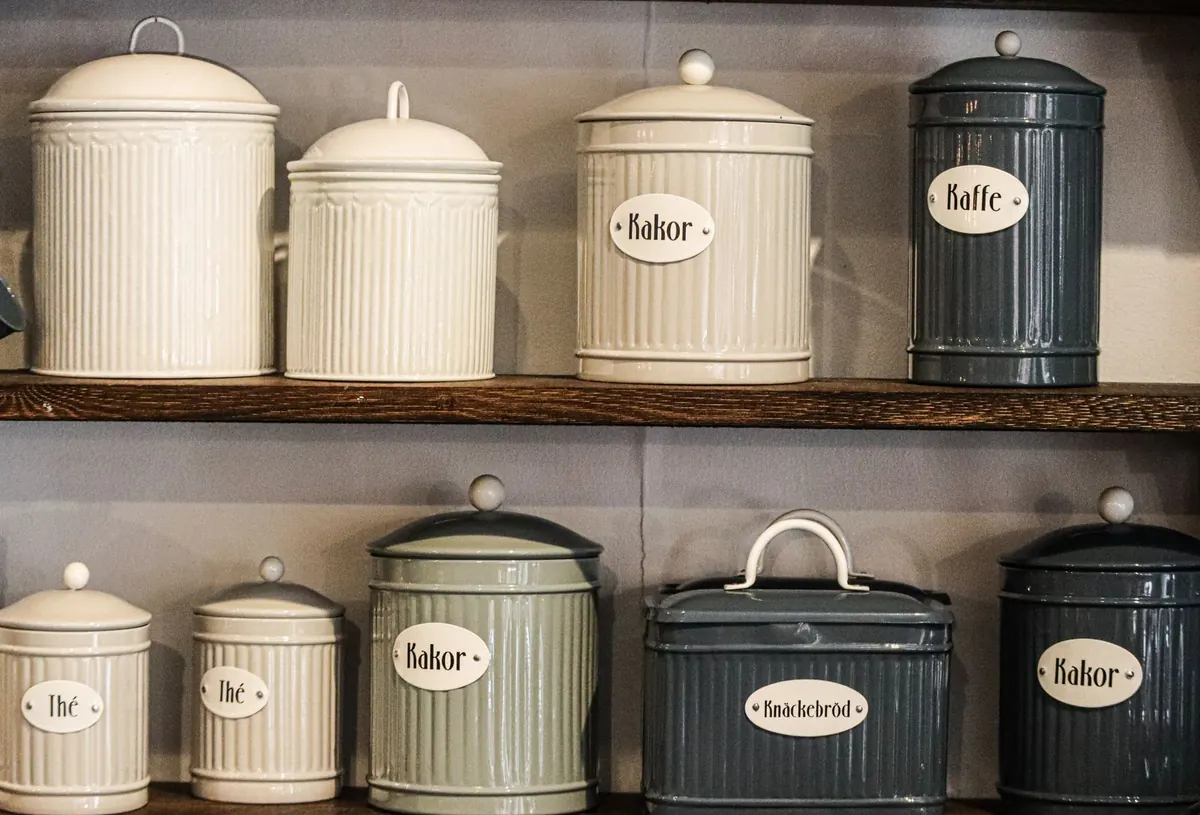
Seamless aluminium tins are the cheapest of the three by a comfortable margin, and they come in a predictable range of sizes with slip lids that fit properly. They are light, they stack, and they tolerate being knocked about. The trade-offs are cosmetic and thermal: you cannot see the flame, the metal gets warm near the base, and wax sometimes pulls away from the wall leaving a visible gap. Check the inside coating before you commit to a bulk order — not every tin is lined for hot wax.
Glass
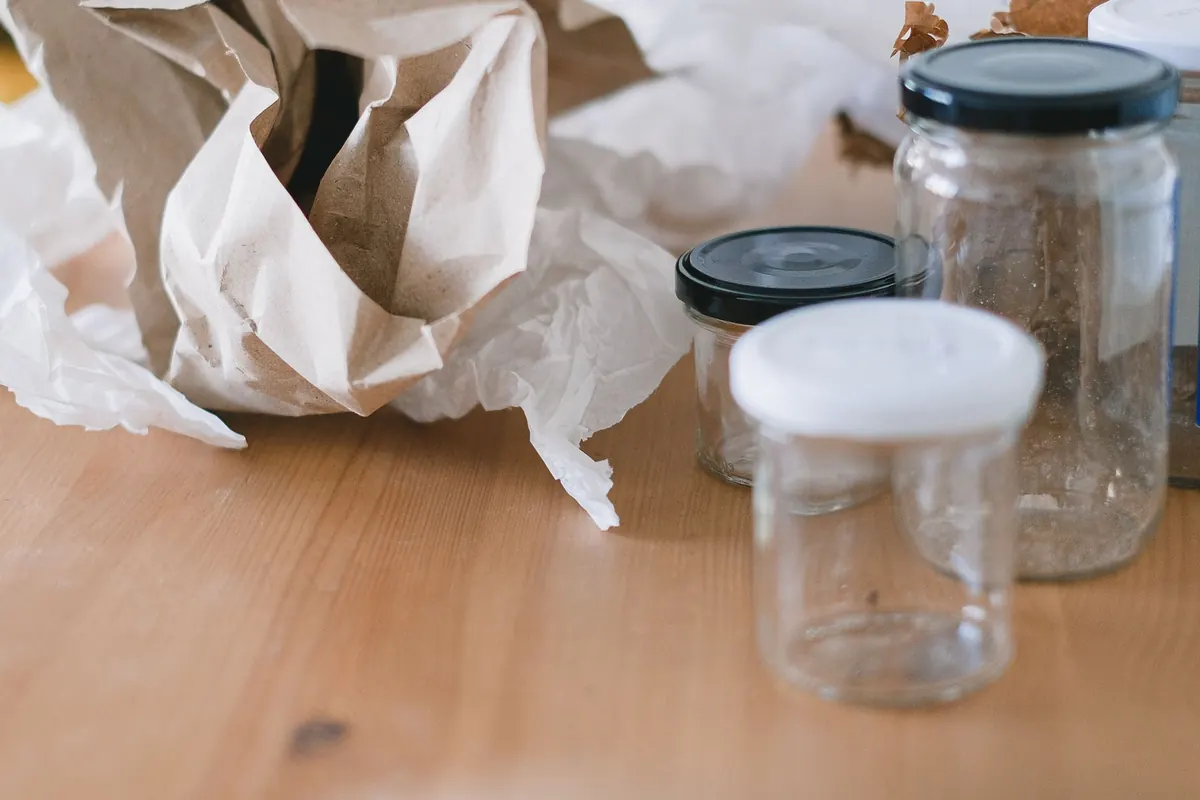
Glass sits in the middle on cost and is the material most UK makers settle on. Tola jars, jam jars, amber pharmacy jars and straight-sided tumblers all work, but remember that jar and lid are usually bought separately, and the lid quietly adds to your unit cost. Frosted and coloured glass hide wax imperfections such as wet spots; clear glass shows everything, which is either a selling point or a problem depending on how consistent your pours are. Only use glass intended for candles — thin decorative glass and some recycled glass can crack under heat.
Ceramic
Ceramic is the most expensive per unit and the least predictable. Small potters may have minimum order quantities, glaze colours shift between batches, and breakages in transit are more expensive when the vessel cost more. In exchange you get weight, texture and a finish that photographs well and feels substantial in the hand. If you sell at fairs, this matters — customers judge candles by weight long before they read a label.
Whatever you choose, your real cost per candle includes more than the vessel:
- container and lid
- wax, fragrance and wick
- warning label, CLP label and any branding
- outer packaging, void fill and tape
- a breakage allowance — even one in twenty changes the maths
Postage weight: the quiet margin killer
UK parcel pricing works in weight bands and size thresholds, and a box that is a centimetre over a limit can cost you as much as an extra few hundred grams. Weigh a finished, boxed, ready-to-post candle rather than guessing from the empty vessel. Then add a little for tape, labels and the fact that your scales and the courier's scales rarely agree.
Glass and ceramic need corner protection and void fill, which adds weight and volume. Tins need far less padding. If you post a lot of single candles, this difference compounds quickly across a month of orders. A useful exercise: post one candle of each type to a friend, then open the parcels and see what survived and what the packaging actually cost you.
Reusability and the second life
Customers notice whether a container is worth keeping, and it feeds into reviews and repeat purchases.
- Tins clean out easily and get reused for screws, hair pins and tea bags. They also dent, so they rarely look good enough to display twice.
- Glass is the easiest to refill. Freeze the jar briefly or use warm water and washing-up liquid to lift the wax disc. Never pour melted wax down the sink.
- Ceramic has the strongest keep factor and suits refill systems, where you sell a wax refill that drops into the original vessel. Some makers run return-and-refill schemes at markets.
What UK customers actually pick up
Glass reads as a gift and lets the flame do the work. Ceramic reads as premium and suits wedding favours, hampers and anything sold from a table where people can hold it. Tins read as practical — shed, caravan, camping, allotment — and are the easiest to post to someone as a small thank-you.
Think about your labels too. A wrap-around label behaves differently on a curved jar than on a flat tin or an uneven glazed surface. Clear glass also exposes your wax quality, so if you are pouring natural, uncoloured wax, ceramic gives you somewhere to hide inconsistency.
Match the vessel to the wax and wick
Container diameter drives wick size far more than height does. A wide ceramic bowl often needs two or three wicks; a slim tin needs a small one. Whenever you switch vessels, burn test at least two candles all the way to the end and keep notes on melt pool, hang-up, soot and how hot the base gets. Thick-walled ceramic can need a longer first burn before the pool reaches the edge, and that instruction should go on the label.
Scented candles sold in the UK need suitable safety and CLP labelling. Check the current requirements for your products, and take proper advice if you are unsure — getting this wrong is not worth the risk.
A simple way to choose
Posting mostly single candles to customers? Start with tins for the low weight, or glass if the candle is a gift and you can package it properly. Selling face to face at markets and fairs? Glass gives you the best balance of looks and price, and ceramic wins when the candle is a treat. Building a refill range? Glass and ceramic both support it, and the container becomes part of the product rather than packaging.
Buy a small quantity of each, pour the same wax and fragrance into all three, and live with them for a week. The right container is usually the one that still looks good after it has been posted, unboxed and lit twice.
Photo: Damir K / Pexels